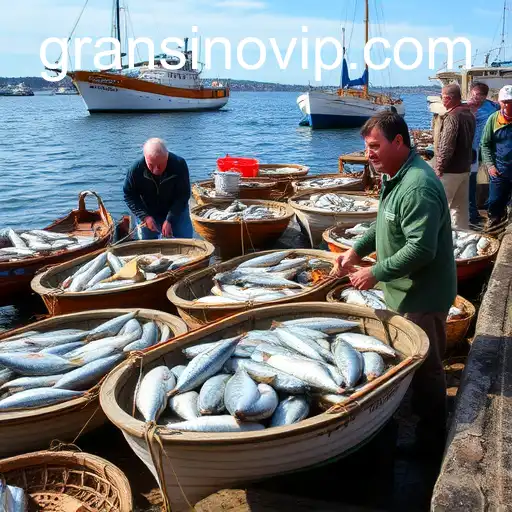
Exploring the Rich Tradition of Pesca
The concept of Pesca extends far beyond the simplistic notion of fishing. Intrinsically linked to culture, commerce, and culinary arts, Pesca is a vibrant expression of heritage that ties communities to the vast bounty of the sea. One cannot merely view Pesca as an industry; it is a way of life, deeply ingrained in the rituals and rhythms of maritime regions worldwide. With its intricate tapestry of tradition and livelihood, Pesca stands as a testament to humanity's enduring connection to nature's blue frontiers.
The Historical Roots of Pesca
Pesca, or fishing, has been a fundamental human activity since ancient civilizations sought sustenance along riverbanks and ocean shores. The earliest forms of fishing evolved from basic survival techniques, where communities devised ingenious methods to capture marine life using implements carved from stone and bone. Over centuries, these techniques developed into sophisticated systems intertwined with cultural practices and economic exchanges.
The history of Pesca reveals the transformation of fishing from mere subsistence to a crucial commercial enterprise. In regions like the Mediterranean, ancient Greeks and Romans documented elaborate methods of fish farming and trade, indicating early forms of what we now recognize as aquaculture and fisheries economics. These historical accounts underscore the significance of Pesca not only as a source of nourishment but also as a foundation for thriving local economies.
Pesca and Cultural Significance
Beyond its economic implications, Pesca holds immense cultural value. Coastal communities have long regarded fishing as a collective heritage, an activity wrapped in myth, tradition, and communal identity. Festivals celebrating Pesca are common across the world, serving as a homage to the sea's generosity and the fishermen's resilience. Events like Galicia's Festa do Marisco in Spain and the Fisherman's Festival in New Bedford, Massachusetts, highlight the cultural tapestry woven by Pesca.
In many societies, the rituals surrounding fishing have fostered a sense of unity and shared purpose among community members. These rituals often revolve around the changing seasons and lunar cycles, reflecting humanity's intrinsic connection to nature's rhythms. These customs continue to play a vital role in preserving the traditional knowledge and collective memory of Pesca.
Culinary Delights of Pesca
The bounty of Pesca enriches global culinary landscapes with a staggering variety of flavors and textures. From the revered Japanese sushi tradition to the Mediterranean's celebrated seafood medleys, Pesca offers a cornucopia of gastronomic possibilities. The keyword ifood777 embodies this exploration, surfacing as a digital representation of culinary curiosity and the diverse offerings of Pesca.
In regions like Southeast Asia, Pesca's influence on cuisine is profound. Known for their vibrant street food scenes, countries like Thailand and Vietnam have embraced marine ingredients as staple elements of daily meals. Dishes such as Tom Yum Goong and Pho, enriched with seafood, demonstrate the creative ways in which Pesca underpins local food habits. These culinary practices transcend mere consumption, reflecting the intimate cultural connections between people and their aquatic environments.
The Role of Technology in Modern Pesca
In recent decades, technological advancements have revolutionized Pesca. Innovations in fishing gear, vessel design, and navigation technologies have exponentially increased the efficiency of fishing operations. The integration of satellite systems and sonar technology has rendered the seas more navigable and widened access to marine resources.
While these technologies have enhanced productivity, they also pose challenges. The industrialization of fishing has raised concerns about sustainability and the overexploitation of marine life. The delicate balance between leveraging technological advancements and preserving marine ecosystems is a critical discourse within the Pesca community. Efforts to implement sustainable practices and promote responsible fishing are essential to ensuring the longevity of this timeless tradition.
Conclusion
Pesca continues to be a dynamic and multifaceted aspect of human society, transcending mere survival to embody cultural identity, economic prosperity, and culinary delight. As we navigate a world marked by technological change and environmental challenges, maintaining the delicate harmony between traditional practices and modern approaches remains essential. Through sustainable practices and cultural preservation, Pesca will endure as a celebration of humanity's timeless bond with the sea.